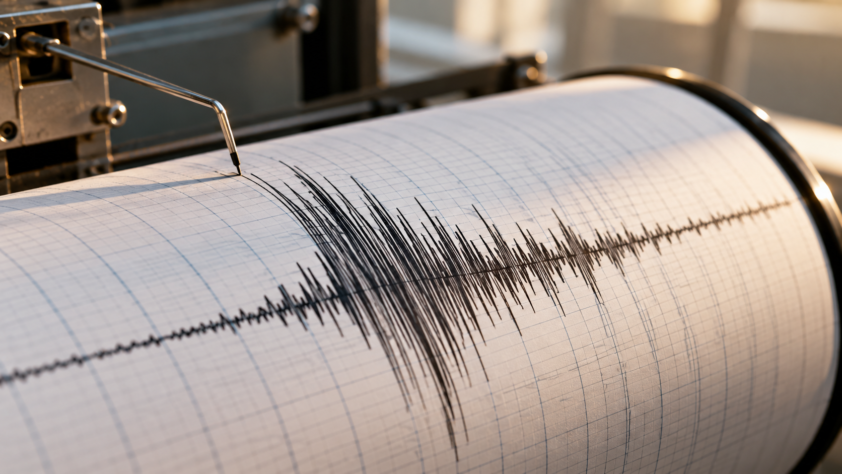
A Kamchatka earthquake of magnitude 7 struck Russia’s Far East on Friday, according to the European-Mediterranean Seismological Centre (EMSC). The tremor was recorded at around 3:35 pm local time.
No tsunami alert was issued in the immediate aftermath. The US National Tsunami Warning Center said there was no danger following the tremors. Further details about damage or casualties were not immediately available.
Reports also said Japan’s weather agency mistakenly issued an early warning for a far stronger quake than the one actually measured.
Table of Contents
Kamchatka Earthquake: Key Details at a Glance
Here are the main facts reported so far about the earthquake in Russia’s Far East:
- Magnitude: 7, as reported by the EMSC
- Depth: 140 km (86.99 miles)
- Epicentre: around 123 km southwest of Vilyuchinsk
- Time: around 3:35 pm local time
- Tsunami status: no alert issued, and the US National Tsunami Warning Center said there was no danger
- Damage and casualties: no details available yet
Magnitude, Depth and Location
The EMSC said the quake had a magnitude of 7 and struck at a depth of 140 km. Its epicentre was located about 123 km southwest of Vilyuchinsk in Russia’s Far East.
Seismologists generally describe earthquakes at depths between about 70 km and 300 km as intermediate-depth events. Because the energy travels a longer distance to reach the surface, shaking from deeper quakes is often spread over a wider area. It can also be less intense than shaking from a shallow quake of similar size. Reports on the effects on the ground were not immediately available.
What the Kamchatka Earthquake Means for Tsunami Risk
The US National Tsunami Warning Center said there was no danger after the tremors, and no tsunami alert was issued in the immediate aftermath. Tsunamis are most commonly triggered by shallow earthquakes beneath the sea floor. A quake at a depth of 140 km is therefore generally less likely to generate one.
Authorities usually keep monitoring after a strong quake. You can follow official updates on the US Tsunami Warning System website.
Japan’s Mistaken Early Warning
Japan’s Meteorological Agency (JMA) mistakenly issued an early warning estimating a magnitude 9.9 earthquake. It also forecast strong shaking across much of the country. The actual reading was 6.9, according to data cited by BNO News.
If the warning had been correct, it would have described the strongest earthquake ever recorded. The largest instrumentally recorded earthquake in history is the 1960 Valdivia earthquake in Chile, which had a magnitude of 9.5.
Early warning systems are designed to alert people within seconds so they can take cover before strong shaking arrives. A false estimate of this size shows why accuracy matters as much as speed. Initial reports did not explain how the error occurred.
Why Kamchatka Is a Seismic Hotspot
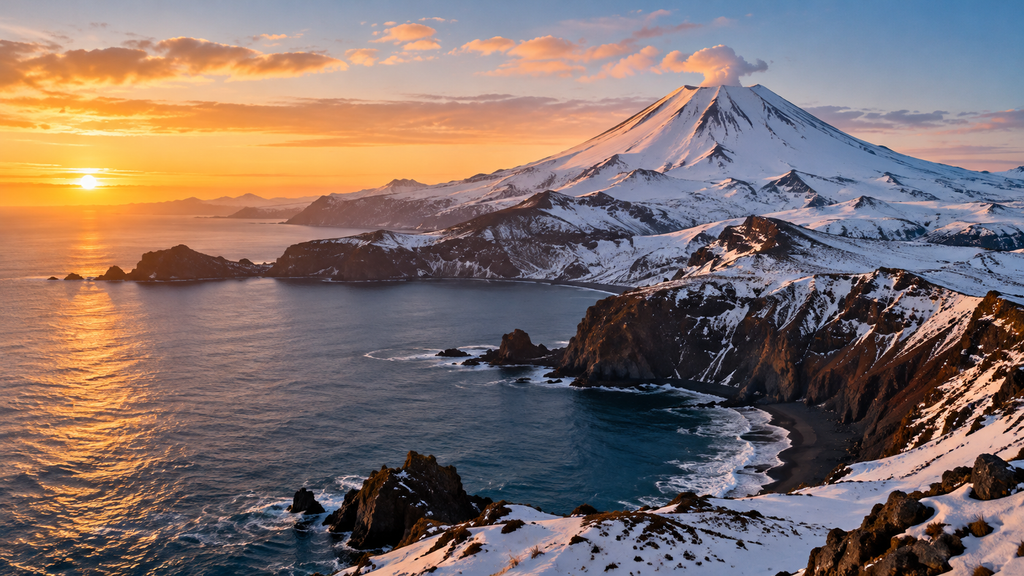
The Kamchatka Peninsula lies on a tectonic belt known as the Ring of Fire, which surrounds most of the Pacific Ocean. The belt is a hotspot for seismic activity, and strong earthquakes in the region are not unusual.
Many of the planet’s earthquakes and volcanic eruptions occur along the Ring of Fire. That is because several tectonic plates meet and move against each other along its edges.
Previous Kamchatka Earthquake in July 2025
In July 2025, an 8.8-magnitude mega-quake off the region’s coast triggered a tsunami. The wave swept part of a coastal village into the sea. The event is a reminder of how powerful quakes in the area can be.
Friday’s tremor was far smaller and much deeper, and no tsunami alert followed it.
What Happens Next
Seismological agencies typically update their figures as more data comes in. Initial magnitude and depth estimates for the Kamchatka earthquake can therefore be revised. Information about damage, injuries or casualties had not been released when the first reports were published.
Strong earthquakes can also be followed by aftershocks, so residents in affected areas are usually advised to stay alert to official updates. For more developing stories, visit our latest news section and our world news page.
How to Stay Safe During an Earthquake
Whether you live near the site of the Kamchatka earthquake or elsewhere on the Ring of Fire, a few simple steps can reduce risk. Emergency agencies recommend the following:
- Drop to the ground, take cover under sturdy furniture and hold on until the shaking stops.
- Stay away from windows and heavy objects that could fall.
- If you are in a coastal area and an official tsunami warning is issued, move to higher ground.
Detailed guidance is available from Ready.gov.
FAQs About the Kamchatka Earthquake
How strong was the Kamchatka earthquake?
The EMSC reported a magnitude of 7 at a depth of 140 km, with the epicentre around 123 km southwest of Vilyuchinsk.
Was a tsunami warning issued?
No tsunami alert was issued in the immediate aftermath, and the US National Tsunami Warning Center said there was no danger.
Was there any damage or loss of life?
Details about damage or casualties were not immediately available at the time of the first reports.
What was Japan’s mistaken warning?
The JMA issued an early warning estimating a magnitude 9.9 quake, but the actual reading was 6.9, according to data cited by BNO News.
Conclusion
The Kamchatka earthquake was a magnitude 7 event at a depth of 140 km, and officials reported no tsunami danger. Damage and casualty details are still awaited. The reported error in Japan’s early warning has added to the attention on the event. We will update this article as more information is confirmed.