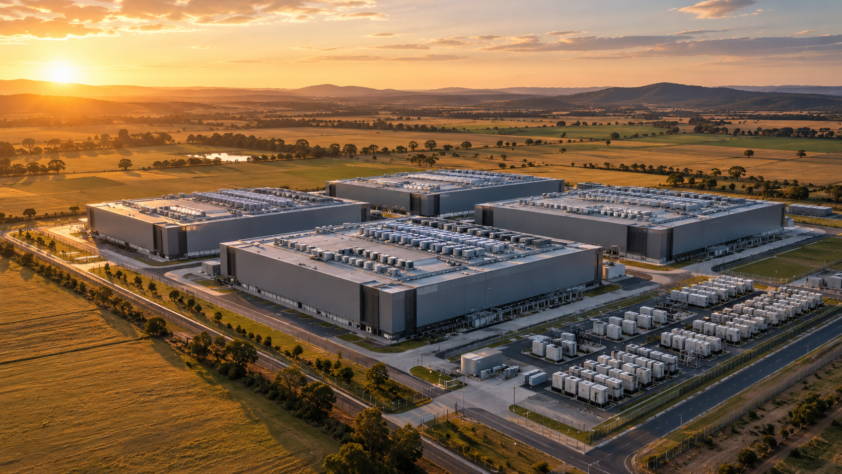
The Wagga Wagga data centre proposal has become one of the most debated infrastructure projects in regional New South Wales. Put forward by CDC Data Centres, the A$15 billion hyperscale campus would be among the largest digital developments ever planned in Australia, and it is dividing the community in the Riverina.
Supporters see a rare chance to bring billions of dollars of investment to the region. Opponents see a vast industrial site, thousands of tonnes of stored diesel and an enormous demand for electricity placed next to farmland. More than 1,000 residents have already signed a petition against the plan.
Here is a clear breakdown of what is being proposed, why it is so contentious and what happens next.
Table of Contents
What Is the Wagga Wagga Data Centre Proposal?
The plan covers roughly 100 hectares of council-owned land at Gregadoo, about 15 kilometres south of the Wagga Wagga city centre. CDC Data Centres wants to build four very large single-storey data centre buildings designed to run continuously, every day of the year.
The scale of the campus
Hyperscale facilities are built to host the computing power behind cloud services, large-scale data storage and artificial intelligence (AI) tools. With a price tag of A$15 billion, this campus would be a landmark project for regional Australia and one of the country’s biggest digital infrastructure investments.
Why the Wagga Wagga data centre needs so much power
The campus is expected to need up to 1.4 gigawatts (GW) of electricity. That makes it one of the largest power-consuming developments ever proposed in Australia. Servers generate heat around the clock, so a site like this typically also requires extensive cooling systems, which adds to its energy and water needs.
Why the Diesel Backup Plan Is So Controversial
Data centres cannot afford to lose power, so they are normally built with backup systems that switch on during an outage. In this case, the design includes a very large backup fleet, and it has become one of the most contested parts of the project.
384 diesel generators
The proposal includes 384 diesel-powered backup generators. Generators of this kind are generally used only in emergencies and for routine testing, but the sheer number planned for one site has alarmed many residents.
6,400 tonnes of stored fuel
To keep those generators running, the campus would hold around 6,400 tonnes of diesel fuel. Locals have raised concerns about fire risk, spills, air quality and the safety of storing so much fuel close to farms and homes. These are the sorts of issues the developer will need to address in detail during the formal assessment.
Why Wagga Wagga Attracted the Developer
Large data centre operators look for two things above all: dependable electricity and plenty of land. Wagga Wagga offers both.
Access to high-voltage transmission
The area sits close to upgraded high-voltage transmission infrastructure, which gives access to substantial electricity capacity. Industry experts say regional locations like this may become more important as electricity networks in the big cities approach their limits. For background on how the national grid is managed, see the Australian Energy Market Operator.
The global rush for AI infrastructure
The rapid growth of AI has increased demand for computing infrastructure worldwide. Companies are racing to secure sites that can deliver power at scale, and the Wagga Wagga data centre proposal is a local example of that global trend. You can read more about similar projects in our technology coverage.
Community Opposition and Environmental Concerns
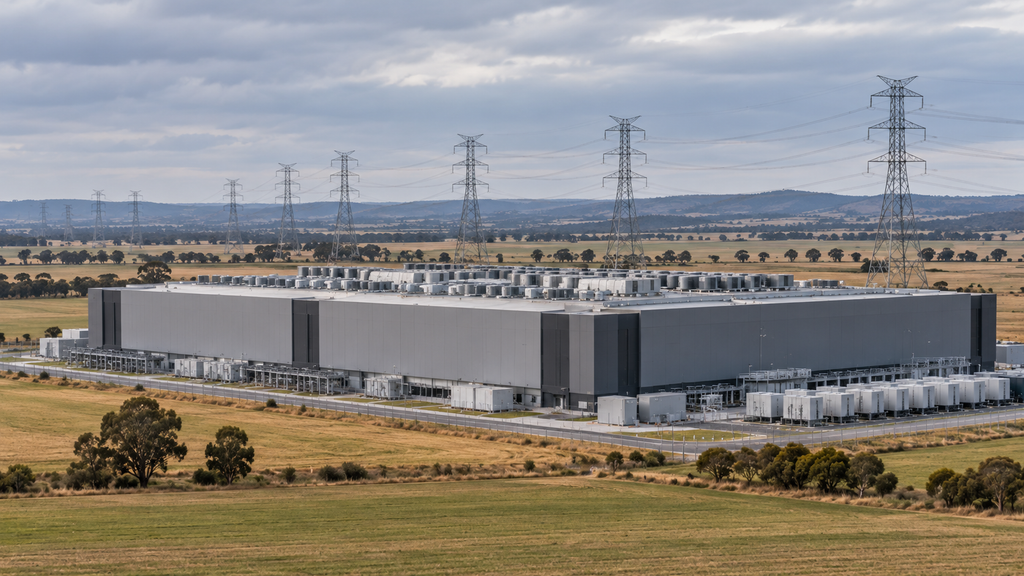
Opposition to the Wagga Wagga data centre has grown quickly since the plan became public. Residents argue that the project would permanently change the rural character of the area and could remove valuable agricultural land from use.
Farmland and rural character
Critics question whether an industrial development of this size is appropriate for a region best known for farming. Many fear that once the land is converted, it cannot easily be returned to agriculture.
Water use, cooling and infrastructure pressure
Residents and community groups have also asked about the facility’s water consumption and its effect on local infrastructure. CDC has said it would use modern technologies to improve efficiency and sustainability. Even so, many locals remain unconvinced that the impacts can be properly managed.
The Economic Case: Supporters vs Critics
The Wagga Wagga data centre debate is not only about the environment. It is also about whether the economic benefits justify the costs.
What supporters say
Backers describe the project as a once-in-a-generation investment for the Riverina. Construction would involve billions of dollars in spending and could create significant employment during the building phase. Local businesses, suppliers and contractors could also benefit, and supporters believe the project could help diversify the regional economy and attract further technology investment. Related economic stories can be found in our business section.
What critics say
Some researchers and community representatives argue the long-term gains may be smaller than promised. Large data centres typically employ relatively few permanent staff once they are running, because many functions are automated. Critics also warn that communities could carry the costs of road upgrades, electricity network investment and environmental management. They are calling for stronger planning requirements and community benefit agreements so that regional towns receive lasting advantages.
How the Approval Process Works
The Wagga Wagga data centre proposal is still at an early stage. Because of its size and electricity demand, it is classed as State Significant Development. That means it will be assessed through the New South Wales Government planning system rather than being decided only by the local council. The process is explained on the NSW Planning Portal.
Environmental Impact Statement and public consultation
Before construction can begin, the developer must complete extensive assessments and prepare a detailed Environmental Impact Statement. It must cover land use, biodiversity, traffic, water management, energy demand, noise and community impacts. Public consultation is part of the process, so residents will be able to submit feedback before any final decision is made. More about the company is available on the CDC Data Centres website.
Frequently Asked Questions
How much will the Wagga Wagga data centre cost?
The proposed campus is valued at A$15 billion.
Where would the Wagga Wagga data centre be built?
On about 100 hectares of council-owned land at Gregadoo, roughly 15 kilometres south of Wagga Wagga’s city centre.
Has the Wagga Wagga data centre been approved?
No. It is at an early stage and must go through the State Significant Development process, including an Environmental Impact Statement and public consultation.
How much electricity would it use?
It is expected to require up to 1.4 GW of power.
Conclusion
The Wagga Wagga data centre proposal captures a challenge facing many governments: AI-driven infrastructure is seen as essential for future growth, yet it raises hard questions about energy, land, sustainability and community consent. The outcome could become an important test case for how regional Australia balances technological progress with environmental responsibility. For more developments as they happen, follow our latest news coverage.